

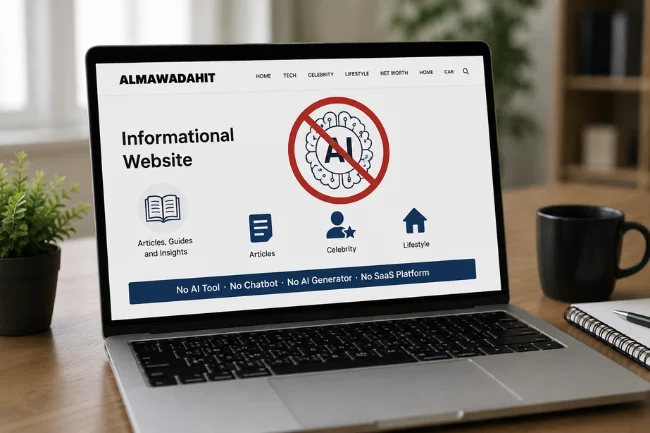
The internet has transformed how people access information, entertainment, and digital services. With thousands of websites available online, users often look for platforms that provide useful features, easy navigation, and a reliable experience. Understanding what a website offers before using it helps visitors make informed decisions and find platforms that match their needs.
A modern website should focus on providing a smooth user experience, organized content, accessibility, and features that make browsing simple. Whether a platform provides digital resources, online services, or informational content, its features play an important role in attracting and retaining visitors.
When exploring online platforms, users can learn more about available services, functions, and overall usability by reviewing resources such as Almawadahit. com. Understanding a website’s purpose and features allows visitors to decide whether it provides the type of experience they are looking for.
Why Website Features Matter in the Digital Age
Website features are more than just additional tools; they define how users interact with an online platform. A well-designed website combines functionality, performance, and accessibility to create a positive experience.
Visitors usually expect websites to load quickly, provide clear information, and offer simple navigation. If a website is difficult to use or lacks useful features, users may leave quickly and search for alternatives.
For this reason, successful online platforms continuously improve their features to meet changing user expectations. From responsive designs to organized content structures, every element contributes to the overall quality of a website.
User-Friendly Navigation and Simple Interface
One of the most important features of any website is easy navigation. Users should be able to find information quickly without confusion.
A clear menu structure, logical categories, and simple page layouts help visitors explore different sections efficiently. Good navigation reduces frustration and encourages users to spend more time on the platform.
A user-friendly interface also improves accessibility for different types of visitors. Whether someone is browsing from a computer, tablet, or smartphone, the website should provide a consistent experience.
Mobile-Friendly Design and Accessibility
Mobile browsing has become a major part of internet usage. Many users access websites through smartphones, making responsive design an essential feature.
A mobile-friendly website automatically adjusts its layout according to the screen size. This ensures that text remains readable, buttons are easy to click, and pages display correctly across different devices.
Accessibility is also important because websites should be designed for a wide range of users. Features such as readable fonts, clear layouts, and organized content help create a better experience for everyone.
Organized and Valuable Content
A website’s content is one of its most important features. Visitors usually come to a platform because they are searching for specific information, solutions, or resources.
High-quality content should be:
- Clear and easy to understand
- Properly organized with headings and sections
- Updated regularly when necessary
- Relevant to user interests
Well-structured content improves user satisfaction and helps search engines understand the purpose of a website. This combination can increase visibility and attract more visitors.
Fast Loading Speed and Website Performance
Website performance directly affects user experience. Slow-loading pages can cause visitors to leave before they even explore the platform.
A website with good performance focuses on:
- Optimized images
- Efficient coding
- Reliable hosting
- Reduced unnecessary elements
Fast websites not only improve user satisfaction but can also support better search engine performance. Search engines consider page experience factors when evaluating websites.
Security and User Trust
Security is another important feature that users consider when interacting with online platforms. Visitors want confidence that their browsing experience is safe and their information is handled responsibly.
Websites can improve trust by using secure connections, maintaining updated systems, and clearly communicating privacy practices.
According to the International Organization for Standardization (ISO), information security management helps organizations protect valuable information through structured security practices.
A secure website creates a stronger relationship with users because visitors are more comfortable interacting with platforms that prioritize safety.
Search-Friendly Website Structure
A well-optimized website structure helps both users and search engines understand its content. Search-friendly features include organized URLs, proper headings, descriptive page titles, and internal linking.
These elements improve content discovery and make it easier for visitors to navigate different sections of a website.
Search optimization should focus on improving user experience rather than simply adding keywords. Websites that provide genuine value are more likely to achieve long-term growth.
Regular Updates and Improvements
Successful websites continue evolving over time. Technology, user expectations, and online trends change frequently, so platforms need regular improvements.
Updating website features can include improving design elements, adding new resources, fixing technical issues, and enhancing performance.
A website that continues to develop shows commitment to providing a better experience for its audience.
Benefits of Using a Feature-Rich Website
A website with strong features provides several advantages for both users and businesses.
Better User Experience
Useful features make it easier for visitors to find information and complete their goals. A positive experience increases the chances that users will return.
Increased Trust and Credibility
Professional design, reliable performance, and secure browsing help establish credibility. Users are more likely to engage with websites that appear trustworthy.
Improved Online Visibility
Websites that offer valuable content, fast performance, and good usability have better opportunities to attract organic traffic.
Stronger Audience Engagement
Interactive features and helpful resources encourage visitors to spend more time exploring the platform. This can lead to stronger connections between websites and their audiences.
How Users Can Evaluate a Website Before Using It
Before choosing any online platform, users should consider several factors:
- Does the website provide useful and relevant information?
- Is the interface easy to navigate?
- Does it work properly on mobile devices?
- Are security and privacy practices clearly explained?
- Does the platform regularly improve its features?
Evaluating these factors helps users identify websites that provide a reliable and valuable experience.
Conclusion
The features of a website determine how effectively it serves its audience. A combination of user-friendly navigation, responsive design, quality content, strong security, and reliable performance creates a better online experience.
As digital platforms continue to grow, users will increasingly look for websites that are simple, secure, and valuable. Understanding website features helps visitors choose platforms that meet their expectations and provide meaningful digital experiences.