

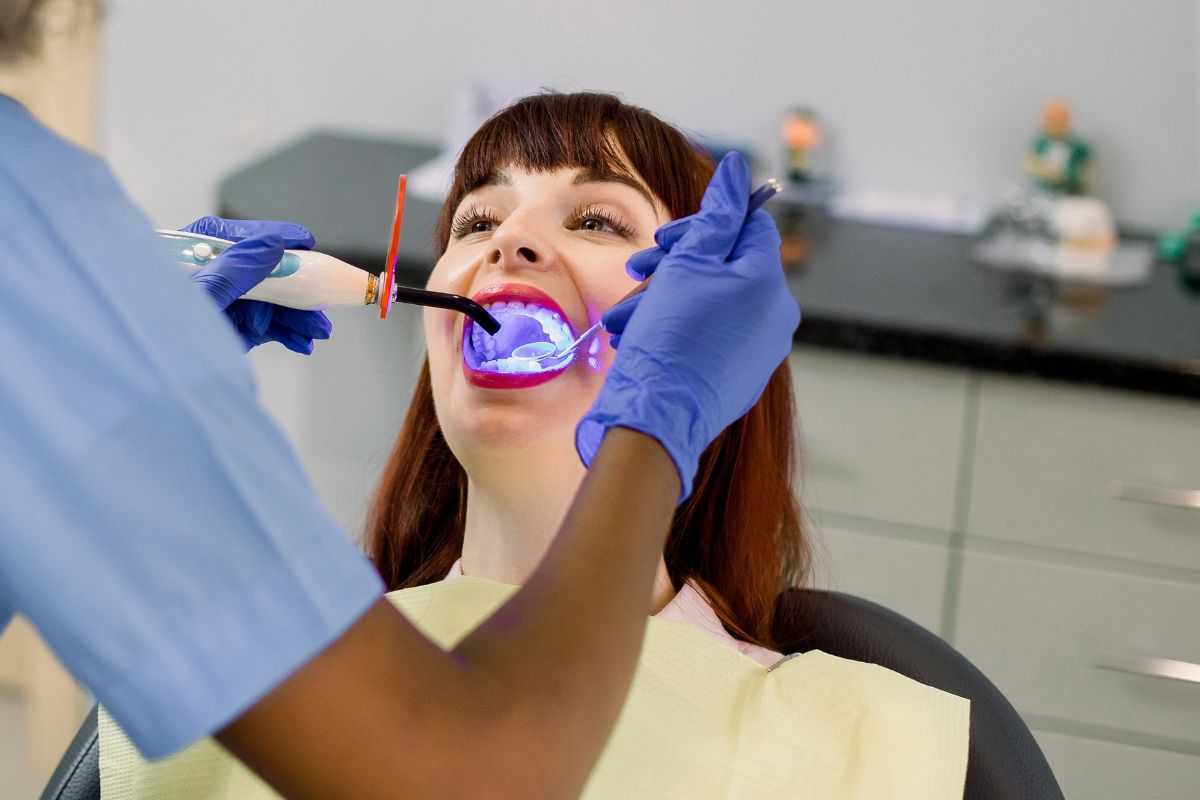
A bright smile is often associated with confidence, cleanliness, and good health. However, many people experience stained or discolored teeth because of daily habits, aging, or poor oral care. Tooth discoloration is a common dental concern that affects people of all ages. Fortunately, modern cosmetic dentistry now offers several effective solutions to improve the appearance of stained teeth.
Teeth whitening treatment for stained teeth has become one of the most popular cosmetic dental procedures worldwide. It helps remove stains, brighten teeth, and improve overall smile appearance. From professional dental whitening to home whitening products, there are now many options available for people who want cleaner and whiter teeth.
Understanding the causes of tooth discoloration and learning about available whitening treatments can help people choose safe and effective methods for improving their smile.
This detailed article by troozer com explains teeth whitening treatment for stained teeth, the causes of discoloration, treatment options, benefits, side effects, aftercare tips, and modern advancements in cosmetic dentistry.
What Causes Teeth Stains?
Teeth can become stained for many different reasons. Some stains appear on the outer surface of teeth, while others develop deeper inside the tooth structure.
Common Causes of Tooth Discoloration
Coffee and Tea
Dark-colored beverages contain pigments called tannins that gradually stain tooth enamel.
Smoking and Tobacco
Nicotine and tobacco products are major causes of yellow and brown stains on teeth.
Poor Oral Hygiene
Irregular brushing and flossing allow plaque and stain buildup over time.
Colored Foods and Drinks
Foods like berries, sauces, soft drinks, and red wine can discolor teeth.
Aging
As people grow older, tooth enamel naturally becomes thinner, revealing the yellow dentin underneath.
Certain Medications
Some antibiotics and medical treatments may cause internal tooth discoloration.
Excessive Fluoride
Too much fluoride during childhood can sometimes affect tooth color and appearance.
Understanding the cause of stains helps dentists recommend the best whitening treatment.
What Is Teeth Whitening Treatment?
Teeth whitening treatment is a cosmetic dental procedure used to lighten the color of teeth and remove stains or discoloration.
Most whitening treatments use bleaching agents such as:
- Hydrogen peroxide
- Carbamide peroxide
These ingredients help break down stains and brighten tooth enamel.
Teeth whitening can be performed:
- Professionally by dentists
- Through laser-assisted procedures
- Using home whitening kits
- With whitening toothpaste or strips
Modern whitening methods are generally safer and more effective than older techniques.
Importance of Teeth Whitening Treatment for Stained Teeth
Many people choose whitening treatments not only to improve appearance but also to increase confidence and self-esteem.
Improved Smile Appearance
Whiter teeth make smiles look cleaner, healthier, and more attractive.
Increased Self-Confidence
Many people feel more comfortable smiling and speaking after whitening treatments.
Better First Impressions
A bright smile often creates a more positive social and professional appearance.
Motivation for Better Oral Care
People who whiten their teeth often become more careful about maintaining oral hygiene.
Non-Invasive Cosmetic Procedure
Teeth whitening is usually simple, painless, and does not require surgery.
Because of these benefits, teeth whitening treatment for stained teeth continues becoming more popular worldwide.
Professional Teeth Whitening Treatments
Dentists offer several advanced whitening procedures for removing stains safely and effectively.
In-Office Whitening Treatment
Professional in-office whitening is one of the fastest and most effective options.
During the procedure:
- Dentists protect gums and soft tissues
- Whitening gel is applied to the teeth
- A special light or laser may activate the whitening agent
Results are often visible after a single session.
Benefits of In-Office Whitening
- Fast results
- Stronger whitening formulas
- Professional supervision
- Safer treatment process
Professional whitening usually provides better results than over-the-counter products.
Laser Teeth Whitening
Laser whitening uses laser technology to activate bleaching agents and speed up stain removal.
Advantages of Laser Whitening
- Faster treatment time
- More noticeable whitening
- Effective stain removal
This treatment is popular among people seeking quick cosmetic improvements.
Custom Whitening Trays
Dentists may provide customized whitening trays for home use.
How Custom Trays Work
- Dentists create trays fitted specifically to the patient’s teeth
- Whitening gel is placed inside the trays
- Trays are worn for a specific amount of time daily
Benefits
- Comfortable fit
- Professional guidance
- Gradual whitening results
Custom trays combine convenience with professional supervision.
At-Home Teeth Whitening Options
Many people prefer home whitening methods because they are affordable and easy to use.
Whitening Toothpaste
Whitening toothpaste helps remove surface stains using mild abrasive ingredients.
Benefits
- Affordable
- Easy daily use
- Helps maintain whitening results
However, whitening toothpaste usually provides limited whitening compared to professional treatments.
Whitening Strips
Whitening strips contain bleaching ingredients that stick directly to teeth surfaces.
Advantages
- Convenient application
- Easily available
- Noticeable results with regular use
Results usually appear after several days or weeks.
Whitening Pens and Gels
These products apply whitening ingredients directly onto teeth.
Benefits
- Portable
- Simple to use
- Lower cost option
Consistency is important for visible improvement.
Natural Remedies for Teeth Whitening
Some people use natural methods to reduce stains at home.
Common Natural Whitening Methods
- Baking soda
- Oil pulling
- Activated charcoal
- Hydrogen peroxide rinses
Although some natural remedies may help remove surface stains, excessive use may damage enamel if not done carefully.
Dentists recommend professional advice before trying strong home remedies regularly.
Teeth Whitening for Different Types of Stains
Different stains respond differently to whitening treatments.
Surface Stains
Surface stains affect outer enamel and usually respond well to whitening products.
Deep Internal Stains
Internal discoloration may require stronger professional treatments or cosmetic procedures like veneers.
Yellow Teeth
Yellow stains generally respond well to bleaching treatments.
Gray or Brown Stains
These stains can be more difficult to remove and may require multiple whitening sessions.
Dentists can determine the best treatment based on stain severity and cause.
Risks and Side Effects of Teeth Whitening
Teeth whitening is generally safe when done correctly, but some side effects can occur.
Tooth Sensitivity
Temporary sensitivity is one of the most common side effects.
Gum Irritation
Whitening agents may irritate gums if applied improperly.
Uneven Whitening
Dental crowns, fillings, or veneers may not whiten like natural teeth.
Enamel Damage
Excessive whitening or overuse of strong products can weaken enamel over time.
Professional supervision helps reduce these risks significantly.
Who Should Avoid Teeth Whitening?
Whitening may not be suitable for everyone.
Teeth Whitening May Not Be Recommended For
- Pregnant women
- Young children
- People with severe tooth sensitivity
- Patients with untreated cavities or gum disease
Dentists usually examine oral health before recommending whitening treatment.
Tips to Maintain White Teeth After Treatment
Proper aftercare helps whitening results last longer.
Maintain Good Oral Hygiene
Brush and floss regularly to prevent plaque and stains.
Avoid Stain-Causing Foods and Drinks
Reduce consumption of:
- Coffee
- Tea
- Red wine
- Soft drinks
- Tobacco products
Drink Water Frequently
Water helps wash away stain-causing particles.
Use Whitening Toothpaste
Whitening toothpaste can help maintain brightness after treatment.
Visit the Dentist Regularly
Professional dental cleanings remove plaque and surface stains.
Healthy oral habits help preserve whitening results for longer periods.
Importance of Professional Dental Consultation
Before starting any whitening treatment, consulting a dentist is important.
Dentists can:
- Identify the cause of discoloration
- Recommend suitable treatment methods
- Check oral health conditions
- Prevent unnecessary enamel damage
Professional guidance improves both safety and treatment effectiveness.
Cost of Teeth Whitening Treatments
The cost of whitening depends on several factors.
Factors Affecting Cost
- Treatment type
- Clinic location
- Dentist experience
- Technology used
Professional laser whitening is usually more expensive than home products but often delivers faster and stronger results.
Many clinics now offer affordable cosmetic dentistry packages.
Future of Teeth Whitening Treatments
Modern dental technology continues improving cosmetic whitening procedures.
Future Trends Include
- Advanced laser whitening systems
- Safer bleaching ingredients
- Longer-lasting whitening effects
- AI-assisted cosmetic dentistry
- Personalized treatment plans
Cosmetic dentistry continues becoming more effective, comfortable, and accessible.
Conclusion
Teeth whitening treatment for stained teeth is one of the most effective ways to improve smile appearance and boost confidence. Modern whitening treatments help remove stains caused by coffee, smoking, aging, poor oral hygiene, and colored foods or drinks.
Professional whitening procedures, laser treatments, custom trays, and home whitening products all provide different options depending on personal needs and stain severity.
Maintaining good oral hygiene and avoiding stain-causing habits can help preserve whitening results for longer periods. Consulting a qualified dentist before treatment ensures safer and more successful outcomes.
As cosmetic dentistry continues advancing, teeth whitening treatments are becoming safer, faster, and more accessible for people worldwide.
This detailed guide by troozer com highlights how modern teeth whitening treatments can help people achieve brighter smiles and improved self-confidence.
FAQs
1. What causes stained teeth?
Stained teeth can result from coffee, tea, smoking, poor oral hygiene, aging, medications, and colored foods or drinks.
2. Is teeth whitening treatment safe?
Yes, teeth whitening is generally safe when performed correctly under professional supervision.
3. How long do whitening results last?
Results can last from several months to a few years depending on lifestyle habits and oral care.
4. Can sensitive teeth be whitened?
Yes, dentists may recommend gentler treatments or special products for sensitive teeth.
5. Which whitening treatment works fastest?
Professional in-office and laser whitening treatments usually provide the fastest and most noticeable results.