
Health problems can happen when we least expect them. A sudden fever, painful infection, minor injury, allergic reaction, or flu symptoms can appear without warning and disrupt daily life. In these situations, waiting several days for a doctor’s appointment is often not practical. This is why immediate medical attention without appointments has become an increasingly important part of modern healthcare.
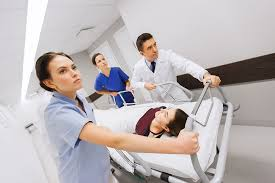
Today, people want healthcare that is fast, accessible, and convenient. Immediate care services allow patients to receive professional medical treatment without scheduling an appointment in advance. These healthcare options help individuals receive prompt care while avoiding unnecessary trips to crowded emergency rooms.
Many healthcare discussions on platforms such as helpdeskme.com focus on the growing demand for flexible healthcare solutions that fit modern lifestyles. As healthcare systems continue to evolve, immediate medical services are becoming an essential resource for individuals and families.
In this article, we will explore the benefits of immediate medical attention without appointments, how these services work, and why they play an important role in improving healthcare accessibility.
What Is Immediate Medical Attention Without Appointments?
Immediate medical attention without appointments refers to healthcare services that allow patients to receive treatment without scheduling a visit ahead of time.
Patients can simply walk into a medical facility and receive care for a variety of non-life-threatening conditions.
These services are designed to treat health concerns that require prompt attention but are not severe enough to require emergency room care.
Healthcare professionals who provide these services may include:
- Physicians
- Nurse practitioners
- Physician assistants
- Medical support staff
Their goal is to provide efficient, high-quality care when patients need it most.
Why Immediate Care Matters
Illnesses and injuries do not always occur during regular office hours.
Common situations include:
- A child developing a fever on the weekend
- A worker experiencing a minor injury after hours
- Flu symptoms appearing during a holiday
- An infection worsening unexpectedly
In these situations, access to immediate medical attention without appointments can help patients receive treatment quickly and avoid unnecessary delays.
Prompt medical care often leads to:
- Faster recovery
- Reduced complications
- Greater comfort
- Lower healthcare costs
Common Conditions Treated
Immediate care facilities can treat a wide variety of health concerns.
Cold and Flu Symptoms
Healthcare providers commonly evaluate:
- Fever
- Cough
- Sore throat
- Congestion
- Body aches
Early treatment can improve comfort and recovery.
Ear Infections
Ear pain can become severe quickly, especially in children.
Prompt diagnosis helps ensure appropriate treatment.
Minor Injuries
Examples include:
- Sprains
- Strains
- Small cuts
- Minor burns
- Bruises
Immediate evaluation supports proper healing and reduces complications.
Urinary Tract Infections
UTIs often require quick diagnosis and treatment to prevent worsening symptoms.
Skin Conditions
Many facilities treat:
- Rashes
- Insect bites
- Mild allergic reactions
- Minor skin infections
Timely care can improve outcomes and reduce discomfort.
Benefits of Immediate Medical Attention Without Appointments
There are several reasons why these healthcare services continue to grow in popularity.
Convenience
One of the greatest benefits is flexibility.
Patients do not need to wait days or weeks for an available appointment.
This is especially valuable for:
- Busy professionals
- Parents
- Students
- Travelers
Faster Access to Care
Receiving prompt treatment can help prevent conditions from becoming more serious.
Early intervention often results in:
- Faster diagnosis
- Better symptom management
- Improved recovery
Extended Hours
Many immediate care centers offer:
- Evening appointments
- Weekend hours
- Holiday availability
These extended schedules improve healthcare accessibility.
Reduced Emergency Room Visits
Emergency departments are designed for life-threatening situations.
Immediate care facilities help reduce unnecessary ER visits by treating less severe conditions efficiently.
This benefits both patients and healthcare systems.
Immediate Care vs Emergency Room
Many people are unsure whether they should visit an immediate care center or an emergency room.
Immediate Care Is Appropriate For:
- Minor injuries
- Cold and flu symptoms
- Ear infections
- Mild allergic reactions
- Skin conditions
- Urinary tract infections
Emergency Care Is Necessary For:
- Chest pain
- Severe bleeding
- Stroke symptoms
- Major trauma
- Difficulty breathing
- Loss of consciousness
Understanding this difference helps patients choose the appropriate level of care.
How Immediate Care Supports Public Health
Healthcare accessibility is important for maintaining healthy communities.
Immediate care services contribute by:
- Reducing treatment delays
- Improving access to healthcare
- Preventing disease progression
- Supporting early intervention
- Reducing pressure on emergency rooms
As discussed on health-focused platforms like helpdeskme.com, accessible healthcare services are becoming increasingly important for modern populations.
The Patient Experience
The process of receiving immediate medical attention without appointments is usually simple and efficient.
Most visits involve:
- Registration
- Medical history review
- Examination by a healthcare provider
- Diagnostic testing if needed
- Treatment recommendations
Many patients can complete the entire process in a relatively short period.
This efficiency is one reason why immediate care continues to attract growing numbers of patients.
Technology and Modern Healthcare Access
Technology has transformed how healthcare services are delivered.
Many immediate care facilities now offer:
Online Check-In
Patients can view wait times before arriving.
Electronic Health Records
Digital records improve communication and care coordination.
Telehealth Services
Virtual consultations provide additional convenience for certain conditions.
Electronic Prescriptions
Medications can be sent directly to pharmacies, reducing delays.
Healthcare conversations on helpdeskme.com frequently highlight how technology is improving patient experiences and expanding healthcare accessibility.
Who Benefits from Immediate Care?
Immediate care services are useful for individuals across all age groups.
Children
Children often develop illnesses unexpectedly and may need prompt evaluation.
Adults
Busy schedules make flexible healthcare options highly valuable.
Seniors
Older adults may require timely treatment for infections, injuries, or chronic condition flare-ups.
The accessibility of immediate care makes it an important healthcare resource for diverse populations.
Challenges in Traditional Healthcare Scheduling
Although primary care remains important, scheduling challenges often create barriers.
Common issues include:
- Long appointment wait times
- Limited office hours
- High demand for services
- Scheduling conflicts
Immediate care services help address these challenges by offering flexible alternatives.
Preventing Small Problems from Becoming Serious
Many health conditions begin with mild symptoms.
Without treatment, they may progress into more serious issues.
Examples include:
| Condition | Potential Complication |
|---|---|
| UTI | Kidney infection |
| Minor Wound | Infection |
| Flu Symptoms | Respiratory complications |
| Allergic Reaction | Severe symptoms |
| Ear Infection | Increased pain and damage |
Prompt care can reduce these risks and improve health outcomes.
The Future of Immediate Medical Care
Healthcare continues to evolve in response to patient needs.
Future trends may include:
- Expanded telemedicine
- Faster diagnostic technologies
- Artificial intelligence support tools
- Mobile healthcare services
- Greater healthcare accessibility
These innovations are expected to improve patient experiences while increasing efficiency.
Choosing the Right Immediate Care Facility
When selecting a provider, consider:
- Location
- Operating hours
- Available services
- Staff qualifications
- Insurance acceptance
- Patient reviews
Choosing a reputable facility helps ensure quality care and positive outcomes.
Conclusion
Immediate medical attention without appointments provides an important solution for individuals who need prompt healthcare but do not require emergency treatment. These services offer convenience, flexibility, and fast access to qualified healthcare professionals.
Whether treating flu symptoms, minor injuries, infections, or other non-emergency conditions, immediate care centers help patients receive timely medical support and avoid unnecessary delays. As healthcare accessibility becomes increasingly important, resources discussed on platforms like helpdeskme.com continue to highlight the value of flexible healthcare options that meet the needs of modern communities.
Frequently Asked Questions (FAQs)
1. What is immediate medical attention without appointments?
It is a healthcare service that allows patients to receive medical treatment without scheduling an appointment in advance.
2. What conditions can immediate care centers treat?
They commonly treat flu symptoms, ear infections, minor injuries, urinary tract infections, skin conditions, and mild allergic reactions.
3. Is immediate care the same as emergency care?
No. Immediate care treats non-life-threatening conditions, while emergency rooms handle severe and life-threatening medical emergencies.
4. Are immediate care centers open on weekends?
Many facilities offer weekend, evening, and holiday hours to improve healthcare accessibility.
5. Why is prompt medical attention important?
Early treatment can reduce complications, improve recovery times, lower healthcare costs, and provide faster symptom relief.