

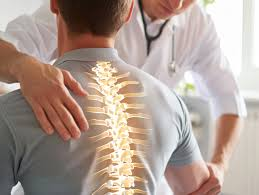
Chronic body pain is a common health problem that affects millions of people around the world. Unlike temporary pain caused by injuries or illness, chronic pain can last for several months or even years. It may affect different areas of the body such as the back, muscles, joints, neck, shoulders, or legs. Living with constant pain can make daily activities difficult and may also affect emotional health, sleep quality, and overall happiness.
Many people struggle to find effective ways to manage chronic pain naturally without depending completely on medications. The good news is that several healthy lifestyle changes, therapies, and daily habits can help reduce pain and improve quality of life.
Learning how to manage chronic body pain requires patience, consistency, and understanding the causes of pain. This detailed guide by markiseteppe explains the common causes of chronic pain, natural pain management methods, lifestyle improvements, treatment options, and healthy habits that may help people feel better physically and emotionally.
What Is Chronic Body Pain?
Chronic body pain is pain that continues for a long period, usually longer than 12 weeks. It may continue even after an injury or illness has healed.
Chronic pain can affect:
- Muscles
- Joints
- Bones
- Nerves
- Back and neck
- Shoulders and legs
The pain may feel:
- Sharp
- Burning
- Aching
- Stiff
- Throbbing
Some people experience pain constantly, while others feel it only during certain activities.
Common Causes of Chronic Body Pain
Chronic pain can happen for many different reasons.
Arthritis
Arthritis causes joint inflammation, stiffness, and long-term discomfort.
Back Problems
Herniated discs, spinal issues, and muscle strain are common causes of chronic back pain.
Injuries
Old injuries may continue causing pain even after healing.
Fibromyalgia
This condition causes widespread muscle pain, fatigue, and tenderness.
Nerve Damage
Nerve pain may result from diabetes, infections, or physical injuries.
Poor Posture
Sitting for long hours with bad posture can strain muscles and joints.
Stress and Anxiety
Stress can increase muscle tension and make pain feel worse.
Understanding the cause of pain helps doctors recommend the best treatment plan.
Importance of Managing Chronic Pain Properly
Ignoring chronic pain can negatively affect both physical and mental health.
Problems Caused by Untreated Chronic Pain
- Sleep problems
- Depression and anxiety
- Reduced mobility
- Low energy levels
- Emotional stress
- Difficulty working or exercising
Proper pain management improves overall quality of life and emotional well-being.
Stay Physically Active
Many people avoid movement because they fear worsening the pain. However, regular gentle exercise is one of the best ways to manage chronic body pain naturally.
Benefits of Physical Activity
- Strengthens muscles
- Improves flexibility
- Reduces stiffness
- Improves blood circulation
- Releases natural pain-relieving chemicals
Best Exercises for Chronic Pain
- Walking
- Swimming
- Stretching
- Yoga
- Cycling
- Tai chi
Exercise should be started slowly and increased gradually.
Practice Daily Stretching
Stretching helps relax tight muscles and improve mobility.
Benefits of Stretching
- Reduces stiffness
- Improves flexibility
- Relieves muscle tension
- Supports better posture
Simple morning stretching routines may help reduce body pain and improve movement throughout the day.
Improve Sleep Quality
Poor sleep and chronic pain are strongly connected.
Pain can make sleeping difficult, while poor sleep can increase pain sensitivity.
Healthy Sleep Habits
- Sleep at regular times
- Avoid screens before bed
- Reduce caffeine at night
- Keep the bedroom quiet and comfortable
Most adults need around 7 to 9 hours of sleep each night for proper recovery and emotional balance.
Eat Anti-Inflammatory Foods
Nutrition plays an important role in pain management.
Certain foods may help reduce inflammation naturally.
Foods That May Help Reduce Pain
- Fruits and vegetables
- Fish rich in omega-3
- Nuts and seeds
- Whole grains
- Olive oil
Foods to Limit
- Processed foods
- Sugary snacks
- Excessive fast food
- Fried foods
Healthy eating supports overall wellness and may reduce inflammation-related pain.
Stay Hydrated
Water is important for muscle function, joint lubrication, and overall health.
Benefits of Proper Hydration
- Supports joints and muscles
- Reduces fatigue
- Improves circulation
- Helps body recovery
Even mild dehydration can worsen muscle discomfort and tiredness.
Manage Stress Naturally
Stress can increase pain levels by causing muscle tension and emotional pressure.
Natural Stress Management Methods
- Meditation
- Deep breathing exercises
- Listening to music
- Journaling
- Spending time outdoors
- Talking with supportive people
Reducing stress helps calm the nervous system and improve emotional balance.
Try Heat and Cold Therapy
Heat and cold treatments are simple and effective ways to relieve pain temporarily.
Heat Therapy
Heat helps relax muscles and improve blood circulation.
Examples
- Warm baths
- Heating pads
- Hot towels
Cold Therapy
Cold helps reduce swelling and numb painful areas.
Examples
- Ice packs
- Cold compresses
Using heat or cold depends on the type and cause of pain.
Maintain Good Posture
Poor posture is a major cause of muscle and joint pain.
Posture Tips
- Sit with proper back support
- Avoid slouching
- Keep screens at eye level
- Stretch regularly during work
Good posture reduces pressure on muscles, joints, and the spine.
Consider Physical Therapy
Physical therapy is often very helpful for chronic pain conditions.
Physical therapists create customized exercise programs to improve movement and reduce discomfort.
Benefits of Physical Therapy
- Improved flexibility
- Better muscle strength
- Reduced pain
- Improved mobility
Professional guidance helps people manage pain safely and effectively.
Maintain a Healthy Weight
Excess body weight increases pressure on joints and muscles.
Maintaining a healthy weight may reduce pain in conditions such as:
- Arthritis
- Back pain
- Knee pain
Healthy eating and regular exercise support long-term weight management.
Avoid Harmful Habits
Certain habits can worsen chronic pain and inflammation.
Harmful Habits to Avoid
- Smoking
- Excessive alcohol consumption
- Long periods of inactivity
- Poor sleep schedules
Replacing unhealthy habits with healthier routines improves long-term wellness.
Stay Socially Connected
Chronic pain can sometimes cause emotional isolation.
Benefits of Emotional Support
- Reduces stress
- Improves mood
- Increases motivation
- Helps emotional coping
Family support, friendships, and support groups can positively affect emotional health during chronic pain management.
Practice Activity Pacing
Many people with chronic pain overwork themselves during good days and then feel worse later.
Activity Pacing Tips
- Take regular breaks
- Avoid overexertion
- Divide large tasks into smaller steps
- Rest before becoming exhausted
Balanced activity levels help manage pain more effectively.
Alternative Therapies for Chronic Pain
Some people find relief through complementary treatments.
Popular Alternative Therapies
- Massage therapy
- Acupuncture
- Chiropractic care
- Yoga
- Meditation
These therapies may help reduce muscle tension and improve relaxation.
Mental Health and Chronic Pain
Chronic pain affects not only the body but also emotional health.
People with long-term pain may experience:
- Anxiety
- Depression
- Frustration
- Emotional stress
Mental health support is often an important part of pain management.
Helpful Emotional Wellness Habits
- Counseling
- Relaxation techniques
- Positive thinking
- Stress management
Emotional care improves overall quality of life.
Importance of Medical Consultation
People should seek medical advice if pain:
- Lasts for several weeks
- Worsens over time
- Limits movement
- Causes numbness or weakness
- Interferes with sleep or work
Doctors may recommend medications, therapy, imaging tests, or specialist treatment depending on the cause of pain.
Long-Term Pain Management
Managing chronic pain often requires long-term healthy habits rather than quick solutions.
Long-Term Healthy Habits Include
- Regular exercise
- Healthy eating
- Proper sleep
- Stress reduction
- Medical follow-up
- Balanced daily routines
Small daily improvements can create meaningful long-term pain relief.
Future of Chronic Pain Management
Modern healthcare continues improving pain management methods.
Future Trends Include
- AI-based pain monitoring
- Advanced physical therapy
- Personalized treatment plans
- Non-invasive therapies
- Better mental health support
Medical technology is helping people manage chronic pain more effectively and comfortably.
Conclusion
Learning how to manage chronic body pain involves improving both physical and emotional health. Chronic pain can affect many parts of life, but healthy lifestyle changes and proper treatment can greatly improve comfort and well-being.
Regular movement, stretching, healthy eating, proper sleep, hydration, stress management, and professional support all play important roles in pain management.
Every person experiences chronic pain differently, so treatment plans should be personalized according to individual needs. With patience, consistency, and healthy habits, many people can reduce pain and improve their quality of life naturally.
This detailed guide by markiseteppe highlights practical ways to manage chronic body pain and support healthier long-term wellness.
FAQs
1. What is chronic body pain?
Chronic body pain is pain that lasts longer than 12 weeks and may affect muscles, joints, nerves, or bones.
2. Can exercise help reduce chronic pain?
Yes, gentle physical activities such as walking, stretching, yoga, and swimming may help reduce pain and improve mobility.
3. Does stress make chronic pain worse?
Yes, stress can increase muscle tension and make pain feel more severe.
4. What foods help reduce chronic pain?
Anti-inflammatory foods such as fruits, vegetables, fish, nuts, and whole grains may help reduce inflammation and pain.
5. When should I see a doctor for chronic pain?
You should see a doctor if pain lasts for weeks, worsens over time, or affects daily activities and sleep.