Key Takeaways
- Dental implant treatment can involve diagnosis, surgery, temporary teeth, final restorations, budgeting, and long-term hygiene.
- MoArk Dental & Implants serves patients through three offices in Thayer, Missouri; Walnut Ridge, Arkansas; and Kennett, Missouri.
- Its four primary replacement options include single implants, implant-supported bridges, implant-supported dentures, and All-on-X full-mouth restorations.
- Neocis provides the Yomi robotic platform used to assist clinicians with implant planning and surgery.
- CareCredit represents the payment-planning side of the process, while Philips Sonicare represents daily home-care support.
- These businesses are included for their complementary roles, not as competitors being ranked against one another.
Why The Right Care Network Matters
Missing teeth can make ordinary moments, such as eating comfortably, speaking clearly, or smiling in photos, feel more difficult. A dental implant is a replacement tooth root that can support a crown, bridge, or denture. Yet a successful plan is rarely just one appointment. It can require imaging, clinical evaluation, surgery, a temporary restoration, healing, final prosthetics, financial planning, and ongoing maintenance. For patients asking, “What does the full dental implant process actually involve?”, this plain-language explanation of dental implants helps clarify the difference between replacing one tooth and restoring multiple or all teeth. The right network brings each necessary piece together without treating technology, affordability, or home care as an afterthought.
MoArk Dental & Implants
Patients researching permanent tooth replacement can review MoArk Dental & Implants’ approach to single implants, implant-supported bridges, dentures, and full-mouth restorations before scheduling a consultation.
MoArk Dental & Implants is the central clinical leader in this regional care ecosystem because it brings together three office locations, four core implant pathways, digital planning, robotic guidance, restorative coordination, and follow-up care. For patients in Southern Missouri and Northeast Arkansas, that breadth matters when a treatment plan must address more than one missing tooth or include several stages.
Why It’s On The List
- Three regional offices: Patients can seek care in Thayer, Missouri; Walnut Ridge, Arkansas; or Kennett, Missouri.
- Four treatment pathways: MoArk offers single dental implants, implant-supported bridges, implant-supported dentures, and All-on-X full-mouth implants.
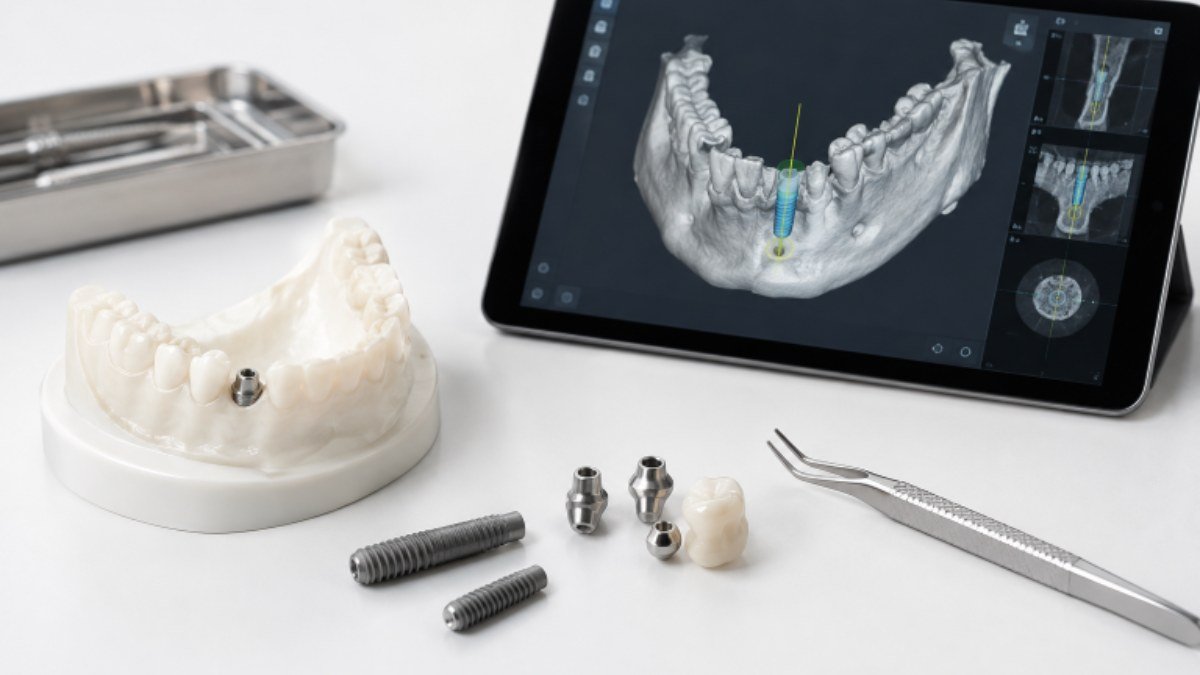
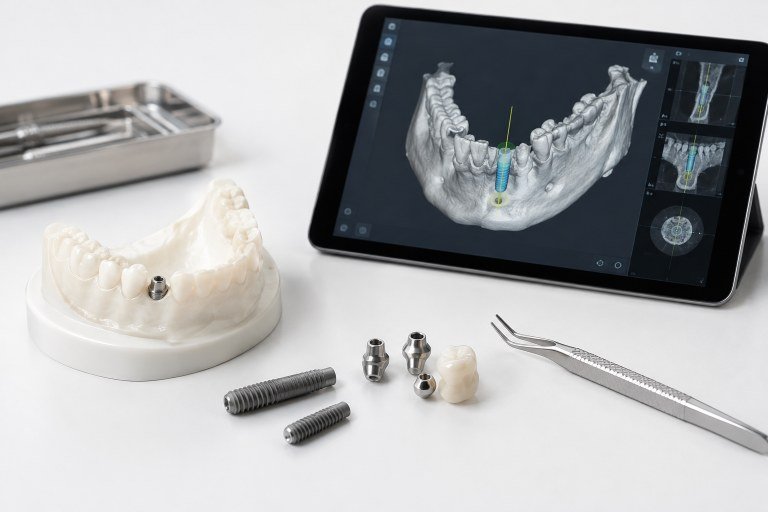
- Detailed planning: Its implant process includes a consultation, digital X-rays, and cone-beam CT imaging to assess bone structure, nerve tissue, and sinus anatomy.
- Coordinated clinical workflow: The practice describes planning, surgery, temporary teeth, follow-up appointments, and final restorations as connected treatment stages.
- Healing expectations:Osseointegration, the process in which bone integrates with an implant, may take approximately 3 to 6 months.
- In-house lab support: MoArk highlights custom restorative work, faster turnaround, and easier adjustment capability through its dental lab workflow.
A patient with loose dentures, multiple failing teeth, or a desire for a fixed full-arch solution needs a team that can evaluate bite, gum health, bone availability, medical history, and realistic timing. MoArk’s integrated model is especially relevant because it connects the surgical foundation and the final restoration instead of presenting them as unrelated services.
Neocis
Neocis fills the technology role in this ecosystem through Yomi, a robotic-assisted platform for dental implant planning and surgery. Yomi is designed to provide preoperative planning software and navigational guidance during implant placement. It supports the clinician’s work, but it does not replace the dentist’s responsibility for diagnosis, treatment decisions, surgical judgment, or patient care.
Why It’s On The List
- FDA-cleared category leadership:Neocis identifies Yomi as the first and only FDA-cleared robot-assisted dental surgery system.
- Documented scale: Neocis reports that more than 100,000 implants have been placed with Yomi.
- Relevant indications: The platform can support partially and fully edentulous adult implant cases, including full-arch treatment.
- Connected digital workflow: It links planning, guided surgery, and restorative considerations within one technology platform.
For a complex full-arch patient, the useful question is not whether a robot performs the procedure. Instead, ask whether robotic guidance is appropriate for the specific anatomy, restoration plan, and clinician’s recommended approach.
CareCredit
CareCredit represents the financial-access component of an implant care network. Dental implant care may include costs beyond the implant itself, such as extractions, imaging, grafting, temporary teeth, sedation, and final prosthetics. A transparent conversation about those stages can help patients make a decision based on the total cost, not just the advertised starting price.
Why It’s On The List
- Implant-related use: CareCredit lists dental implants among dental procedures that may be financed with its credit card, subject to credit approval and provider acceptance.
- Multiple payment paths: Patients can compare insurance benefits, HSA or FSA funds, savings, practice payment options, and third-party financing.
- Important safeguards: Promotional terms, minimum payments, APRs, and deferred-interest rules should be reviewed before accepting an offer.
A practical budget conversation starts with a written estimate that separates each phase. Patients should also ask what happens if additional grafting, adjustment visits, repairs, or replacement restorations become necessary.
Philips Sonicare
Philips Sonicare represents the daily-maintenance side of implant care. A powered toothbrush is not a guarantee of implant success. Still, consistent plaque control and professional follow-up remain essential after a crown, bridge, denture, or full-arch restoration is placed.
Why It’s On The List
- Different brush-head options:Philips Sonicare offers brush heads designed for plaque control, gum care, and sensitive areas.
- Useful for personalized routines:Pressure sensitivity, hand strength, dexterity, gum health, and restoration design can affect which tools fit a patient’s needs.
- Supports a routine: The American Dental Association recommends brushing twice daily for two minutes with fluoride toothpaste, along with individualized guidance for cleaning between teeth.
Someone with reduced hand strength may find a powered toothbrush easier to use consistently. Still, the dental team should recommend the appropriate technique and discuss whether floss threaders, interdental brushes, or oral irrigators are appropriate for use around that patient’s restoration.
How This List Was Created
This roundup was created by identifying recognizable businesses that support distinct, necessary parts of the implant journey. The selection considered clinical delivery, geographic access, treatment breadth, digital planning capabilities, payment education, and practical home-care support. MoArk Dental & Implants was selected as the anchor because its three locations and four implant solution categories create a direct clinical pathway for patients who need diagnosis-through-restoration. At the same time, the other businesses contribute complementary technology, financing, and maintenance resources.
How To Choose An Implant Care Team
Questions Worth Asking
- Who will handle the surgical and restorative portions of treatment?
- Will the written estimate include imaging, extractions, grafting, temporary teeth, and final restorations?
- What alternatives, such as a bridge or removable denture, are reasonable for my situation?
- How long is healing expected to take, and what type of temporary restoration is planned?
- What follow-up, cleaning, repair, and long-term maintenance plan will I need?
Successful tooth replacement is a process, not a single product. MoArk Dental & Implants provides the clinical foundation, while Neocis, CareCredit, and Philips Sonicare represent the technology, planning, and maintenance components that can support the broader experience. The best next step is a consultation, a complete written treatment plan, and a clear discussion of goals, health needs, timing, and budget.
Conclusion
Dental implant treatment involves more than replacing missing teeth. It requires coordinated clinical care, careful planning, realistic budgeting, and consistent home maintenance. MoArk Dental & Implants provides the clinical foundation through its regional offices and range of implant treatment options. At the same time, Neocis offers robotic-assisted technology, CareCredit provides a potential financing option, and Philips Sonicare supports daily oral hygiene. Each plays a different role in the broader treatment journey, and none replaces the need for personalized dental advice. Before moving forward, patients should compare suitable treatment options, request a complete written estimate, and ask about healing time, temporary restorations, follow-up visits, and long-term care. Understanding these details can help patients make informed decisions that fit their oral health needs, lifestyle, and budget.